
Technical depth
Behind the RNG: certification, labs and seals
Random number generators decide digital game outcomes. This page covers what independent testing typically examines and how to read seals without overclaiming.
What an RNG is doing
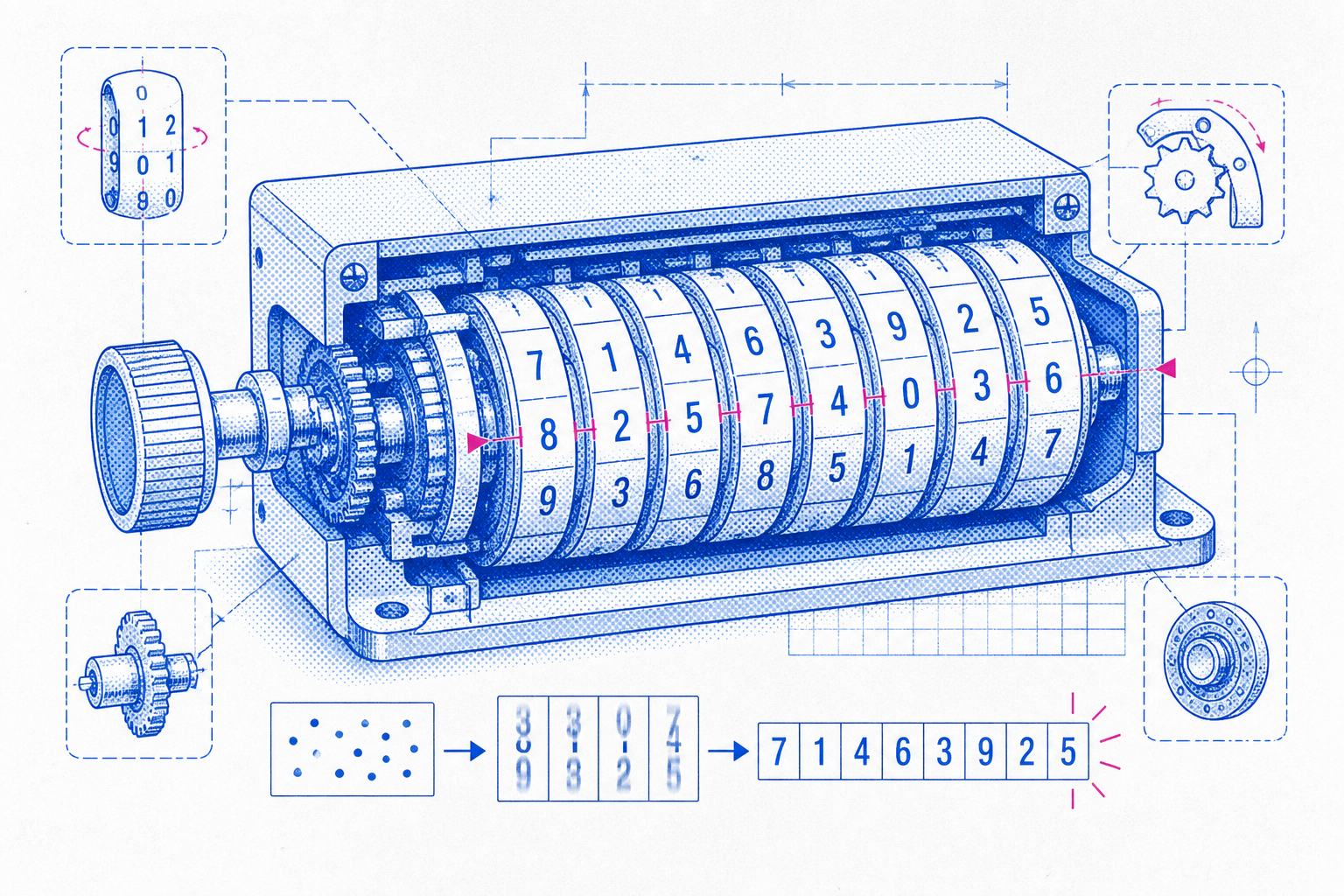
In slots and most virtual tables, software produces sequences that map to symbols or card values according to the game’s published rules. Players do not see the raw stream; they see the rendered result. House edge and return-to-player figures are properties of the game design over long runs, not promises for a short session.
Independent testing labs
Laboratories such as those commonly referenced in the industry (for example eCOGRA, GLI and iTech Labs) assess games and related systems against technical standards. Work can include RNG statistical testing, game mathematics review and periodic re-testing. Exact scope depends on the certificate and jurisdiction.
How to read a seal
- Check which product or platform the seal names.
- Prefer seals that link to a verification page on the lab’s domain.
- Remember UKGC licensing is the legal gate for UK offer; a seal alone is not a UK licence.
Live dealer games
Live roulette and card games use physical equipment under studio procedures, with optical or electronic capture feeding the stream. Integrity controls differ from pure RNG slots, but licensing and operational standards still apply.
For the wider operating model, see How online casinos work. For operator grades on offer wording, return to the homepage timeline.